
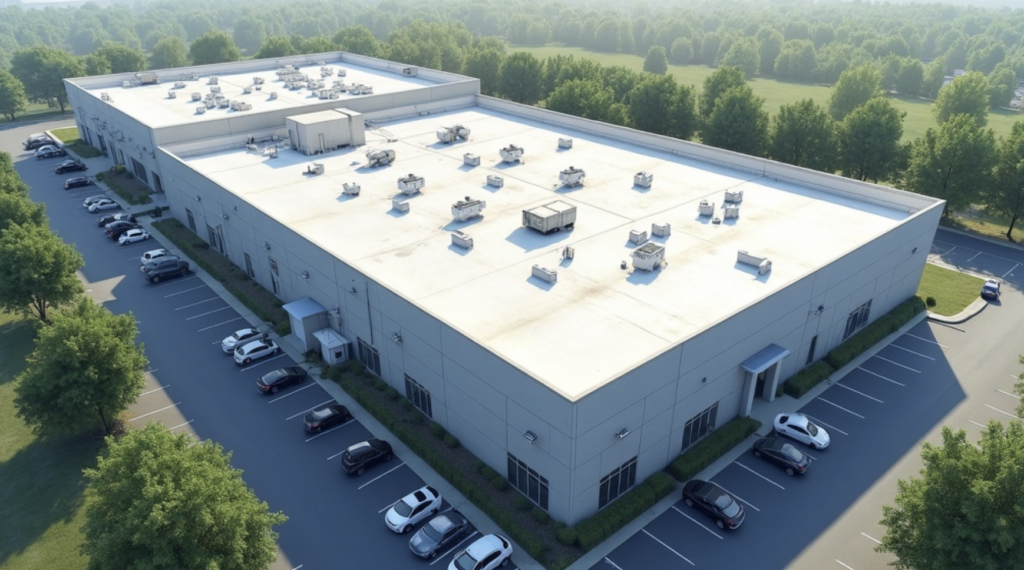
Introduction to Specialty Commercial Roofing Materials
EPDM roofing is an essential topic to understand. Commercial roofing has evolved far beyond traditional asphalt and gravel systems. Today’s building owners face increasingly complex challenges—from extreme weather events to stringent energy efficiency mandates—that demand specialized roofing solutions tailored to specific performance requirements.
The commercial roofing materials market is experiencing unprecedented growth, with industry projections showing a surge toward $15.8 billion by 2034, driven largely by innovations in specialty materials. Unlike residential roofing, commercial applications require materials that can withstand massive structural loads, provide superior weather resistance, and deliver long-term cost efficiency across thousands of square feet. Specialty commercial roofing materials represent the cutting edge of building envelope technology. From advanced single-ply membranes like EPDM roofing systems that offer exceptional durability, flexibility, to innovative metal formulations designed for extreme climates, and these materials solve specific performance challenges that standard options simply can’t address. What distinguishes specialty materials isn’t just their enhanced performance—it’s their ability to provide targeted solutions for unique building requirements, whether that’s superior chemical resistance for industrial facilities or enhanced fire ratings for high-risk applications.
Understanding these advanced materials is crucial for making informed roofing decisions that protect your investment and optimize building performance. Let’s explore what makes thermoplastic polyolefin (TPO) one of the most versatile specialty options available today.
Understanding TPO: Thermoplastic Polyolefin
TPO membranes have emerged as one of the most popular single-ply roofing solutions in commercial construction, combining affordability with reliable performance. This thermoplastic material offers excellent heat-welded seams that create watertight bonds stronger than the membrane itself, making it particularly attractive for buildings with complex roof geometries.
What sets TPO apart is its reflective white surface that naturally reduces cooling costs by reflecting solar heat rather than absorbing it. The membrane typically comes in thicknesses ranging from 45 to 80 mils, with thicker options providing enhanced puncture resistance for high-traffic roofs or areas prone to hail damage.
Installation flexibility makes TPO appealing to contractors and building owners alike. The material can be mechanically attached, fully adhered, or ballasted, depending on building requirements and local wind conditions. However, TPO does have limitations – its resistance to certain chemicals and oils is moderate compared to specialized materials, making it less suitable for industrial facilities with heavy chemical exposure.
Industry analysis shows TPO continues gaining market share due to its balance of cost-effectiveness and energy efficiency, particularly as building codes increasingly emphasize reflective roofing systems.
PVC Roofing: Durability and Chemical Resistance
PVC (Polyvinyl Chloride) roofing membranes represent one of the most chemically resistant single-ply systems available, making them ideal for facilities with harsh environmental exposures. Unlike TPO’s more recent market entry, PVC has established a proven track record spanning over four decades in commercial applications.
The key advantage of PVC lies in its superior chemical resistance, particularly against oils, grease, and industrial pollutants. This makes PVC the preferred choice for restaurants, manufacturing facilities, and buildings near airports or highways where fuel exposure is common. The membrane’s welded seams create completely watertight barriers that outperform mechanically fastened systems.
Installation considerations differ significantly from both TPO and traditional metal roofing systems. PVC requires specialized welding equipment and trained installers to achieve proper seam integrity. The material’s plasticizer content also demands careful product selection, as some formulations may experience plasticizer migration over time.
Cost-wise, PVC typically commands a premium over TPO but offers enhanced longevity in challenging environments. Market analysis indicates that chemical-resistant roofing solutions are gaining traction as facility managers prioritize long-term performance over initial cost savings.
However, PVC’s vulnerability to punctures and its limited color options represent notable limitations that building owners should weigh against its chemical resistance benefits when evaluating single-ply alternatives.
EPDM: Ethylene Propylene Diene Monomer
EPDM roofing membranes stand out as the most cost-effective single-ply solution in commercial roofing, offering exceptional longevity at budget-friendly prices. This synthetic rubber membrane has dominated the commercial roofing landscape for decades, particularly in applications where chemical resistance isn’t the primary concern.
Unlike modified bitumen systems that require heat welding or torch application, EPDM membranes utilize adhesive bonding or mechanical attachment methods that significantly reduce installation complexity. This straightforward installation process makes EPDM particularly attractive for large commercial buildings where labor costs can quickly escalate.
The membrane’s outstanding UV resistance and flexibility in extreme temperatures make it ideal for climates with significant seasonal variations. EPDM maintains its elasticity in temperatures ranging from -40°F to 300°F, ensuring reliable performance across diverse geographic regions.
According to industry analysis, EPDM continues to capture significant market share due to its proven 20-30 year lifespan and minimal maintenance requirements. However, puncture resistance remains a consideration compared to reinforced membrane alternatives.
The primary trade-off with EPDM involves balancing initial cost savings against potential long-term performance requirements, particularly in environments where superior chemical resistance or enhanced puncture protection become critical factors.
Metal Roofing Systems: Long-term Durability
Metal roofing systems have emerged as a premium choice for commercial buildings seeking maximum longevity and performance. Unlike membrane systems, metal roofs can last 40-70 years with proper maintenance, and making them one of the most durable commercial roofing options available. The most common commercial metal roofing materials include standing seam steel, aluminum, and copper systems. Standing seam designs offer superior weather resistance through their interlocking panel structure, while aluminum provides excellent corrosion resistance in coastal environments. Steel systems, when properly coated, deliver exceptional strength and wind resistance. A key advantage of metal roofing is its energy efficiency potential. Reflective metal surfaces can reduce cooling costs by up to 25% compared to traditional dark roofing materials. However, the initial commercial roofing materials cost for metal systems typically runs 15-30% higher than single-ply membranes, though this premium is often offset by reduced maintenance expenses over the roof’s lifespan.
Modern metal roofing systems also accommodate various architectural requirements, from curved applications to complex geometric designs. The material’s recyclability adds environmental value, with most metal roofing containing 25-95% recycled content depending on the specific alloy used.
While metal systems excel in durability and aesthetics, they do require specialized installation techniques and thermal movement considerations that lead us to examine another time-tested commercial solution.
Modified Bitumen: A Proven Solution
Modified bitumen roofing represents a significant evolution in commercial roofing technology, combining the reliability of traditional built-up roofing with modern polymer enhancements. This multi-layer system uses asphalt modified with rubber or plastic polymers to create a flexible, durable membrane that adapts to building movement and temperature fluctuations.
The installation process typically involves torch-applied, cold-applied, or self-adhering methods, making it versatile for various project requirements and weather conditions. Unlike commercial rubber roofing systems that rely on single membranes, modified bitumen creates redundancy through its multi-ply construction, and significantly reducing the risk of catastrophic failure. Performance characteristics include excellent puncture resistance, superior waterproofing capabilities, and proven longevity spanning 15-20 years with proper maintenance. The material’s ability to self-heal minor punctures sets it apart from other roofing solutions, as the asphalt compound naturally flows to seal small breaches. According to industry analysis, modified bitumen maintains steady market presence due to its cost-effectiveness and contractor familiarity. The system’s granulated surface options provide additional UV protection while offering aesthetic flexibility for visible roof applications.
This proven technology bridges the gap between traditional and modern roofing approaches, making it an attractive option for building owners seeking reliable performance without premium pricing.
Comparison Table: Specialty Commercial Roofing Materials
When evaluating specialty commercial roofing materials, a side-by-side comparison reveals the distinct advantages and considerations for each option. The following breakdown helps facility managers make informed decisions based on their specific requirements.
| Material | Lifespan | Initial Cost | Maintenance | Best Applications |
|---|---|---|---|---|
| EPDM | 20-30 years | Low | Moderate | Low-slope, budget-conscious projects |
| TPO | 15-25 years | Low-Medium | Low | Energy-efficient buildings, moderate budgets |
| PVC | 20-30 years | Medium-High | Low | Chemical exposure, high-performance needs |
| Metal Systems | 40-70 years | High | Low | Long-term investments, structural upgrades |
| Modified Bitumen | 15-20 years | Medium | Moderate | Traditional buildings, proven performance |
IKO roof systems and other premium manufacturers typically offer extended warranties that can significantly impact the total cost of ownership. According to Roofing Industry Statistics You Need to Know in 2026, properly maintained specialty roofing systems demonstrate 15-25% better performance metrics compared to standard materials.
The key differentiator often lies not just in material properties, but in installation quality and ongoing maintenance protocols. However, this comparison raises important questions about which factors should weigh most heavily in your specific situation.
Factors to Consider When Choosing a Roofing Material
Selecting the right specialty roofing material requires careful evaluation of multiple interconnected factors that directly impact both performance and long-term costs. Climate conditions stand as the primary consideration, as extreme temperature fluctuations, heavy snow loads, and high winds can significantly affect material durability and energy efficiency.
Building structure and load capacity play equally critical roles in material selection. While lightweight options like TPO may suit older buildings with limited structural support, more robust materials like modified bitumen require stronger frameworks. The building’s intended use also influences choice—a manufacturing facility with chemical exposure demands different flat roof materials than a standard office building.
Budget considerations extend beyond initial installation costs to include maintenance frequency, energy savings, and expected lifespan. According to industry analysis, total cost of ownership often differs dramatically from upfront pricing, making lifecycle cost analysis essential for informed decision-making. Installation complexity and contractor availability shouldn’t be overlooked, as specialized materials may require certified installers or extended project timelines. Understanding these factors helps ensure your chosen material aligns with both immediate needs and long-term building performance goals.
Limitations and Considerations
While specialty commercial roofing materials offer impressive performance benefits, they come with important limitations that property owners must carefully evaluate. Cost represents the most significant barrier, with premium materials often requiring 2-3 times the initial investment of conventional options. However, industry analysis shows that total cost of ownership calculations frequently favor specialty materials over their 20-30 year lifespan.
Installation complexity poses another critical consideration. Specialty materials typically require certified contractors with specific training, potentially limiting your contractor pool and increasing labor costs. Modified bitumen systems need specialized equipment for proper installation, while green roofing demands expertise in both roofing and horticulture.
Climate compatibility varies dramatically between materials. TPO performs exceptionally in hot climates but can become brittle in extreme cold, while some metal systems may experience thermal expansion issues in regions with significant temperature fluctuations.
Maintenance requirements differ substantially from conventional roofing. Green roofs need ongoing horticultural care, reflective coatings require periodic reapplication, and some advanced materials have specific cleaning protocols that impact long-term costs.
Finally, local building codes and insurance considerations can limit material choices. Some specialty options may not meet regional requirements or could affect insurance coverage, making thorough research essential before making your final selection.
Key EPDM Roofing Takeaways
Specialty commercial roofing materials represent a strategic investment that balances upfront costs with long-term performance benefits. The most successful installations consider climate conditions, building requirements, and budget constraints as interconnected factors rather than isolated variables.
Modern specialty materials deliver measurable advantages: enhanced energy efficiency, extended lifespans of 30-50+ years, and superior weather resistance compared to traditional options. However, they require specialized installation expertise and higher initial capital investment—factors that can significantly impact project timelines and costs.
The key to maximizing your roofing investment lies in thorough planning and professional execution. Properties with extreme weather exposure, energy efficiency goals, or unique architectural requirements benefit most from specialty materials. Meanwhile, buildings with limited budgets or straightforward requirements may find traditional materials more cost-effective.
As sustainability regulations tighten and energy costs continue rising, specialty roofing materials are transitioning from premium options to essential building components. Property owners who evaluate their specific needs against material capabilities—rather than focusing solely on price—consistently achieve better long-term outcomes.
Your next step: Contact us, so TXD Commercial can conduct a comprehensive roof assessment to determine which specialty materials align with your building’s requirements, climate conditions, and performance goals.